Why Ornamental Iron Gates Rust, Fade and Sag on Clay and Limestone
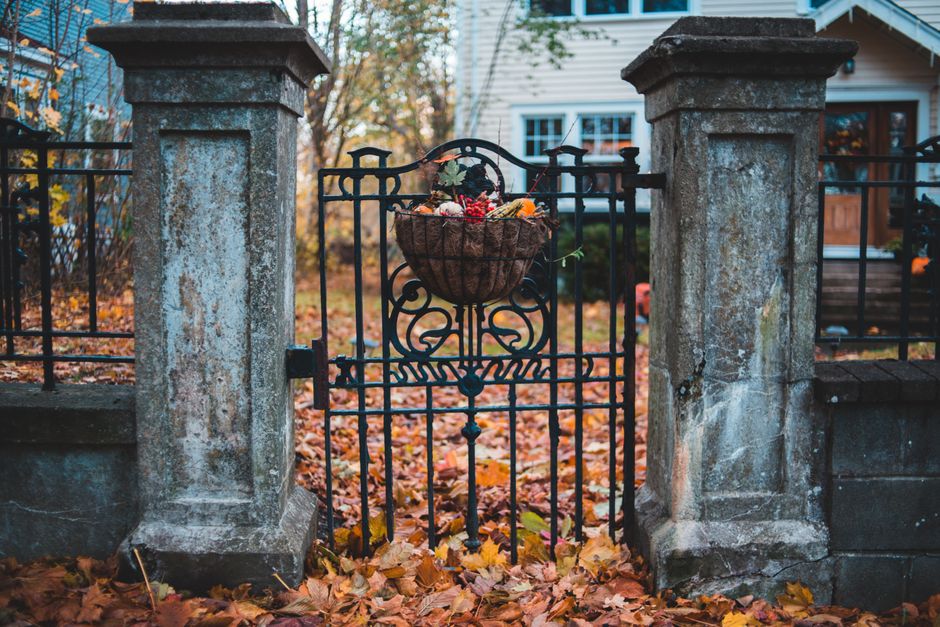
Ornamental iron gates rust because the coating breaks, fade because sun wears the topcoat, and sag because the posts move. Each problem has a simple mechanical cause, and each can be spotted early. A gate walk-through in Cedar Park, TX follows the outline at ornamental iron gates cedar park preflight sim.
Rust starts at the weak points
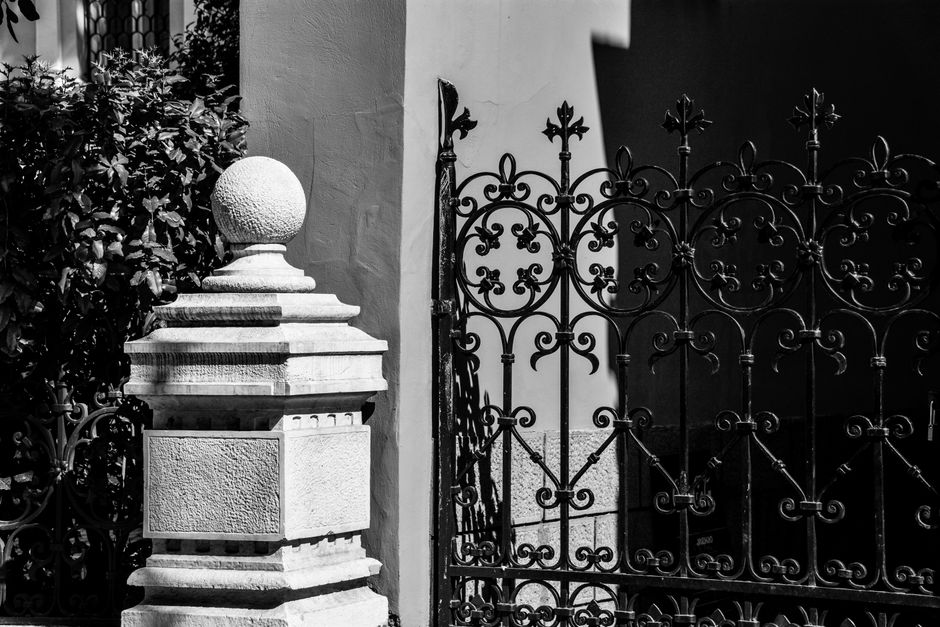
Rust begins where bare steel meets moisture. On a decorative gate, those spots are weld joints, scroll ends, the bottoms of pickets, and the inside of curves where water sits. A chip from a stone, a hailstone, or a loose hinge exposes steel, and moisture then spreads under the film around it. Humidity swings keep that moisture moving.
- Check the bottom rail and picket ends.
- Look for bubbles in the coating, which mean rust underneath.
- Inspect weld joints on scrolls.
Fading comes from sun on dark finishes
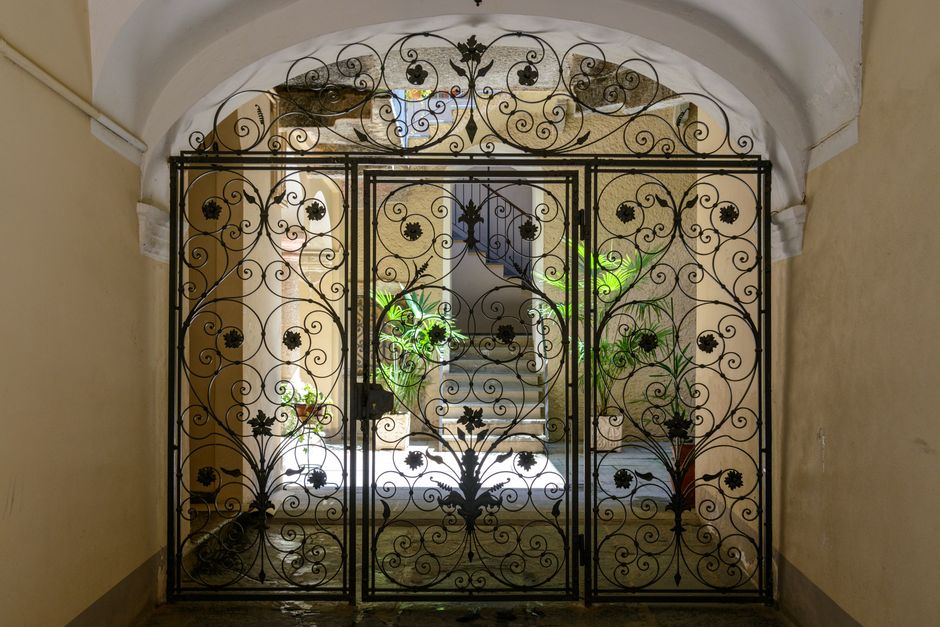
Long summers expose the topcoat to strong light and heat. Dark colors absorb more energy, so they chalk and lose gloss sooner, mostly on tops and on the side that faces the afternoon sun. Fading is cosmetic at first, but a chalky, thin film protects less, and rust follows.
Sagging begins in the ground
A gate rarely sags because the metal bent. Usually the hinge post leans. Clay swells when wet and shrinks when dry, and that cycle moves a post that sits in shallow concrete. Limestone below the clay can stop a footing from going deeper, so crews sometimes set posts shorter than needed. The wide, heavy leaf then pulls the top of the post toward the latch side, and the corner drops.
Wind and weight add to it
Wind on an open lot pushes on a decorative panel, and every gust adds a small load to hinges and posts. Heavy scrollwork adds weight too. Over time, hinge pins wear, bolts loosen, and the leaf starts to drag on the pavement.
Spotting trouble early
- Watch the gap between the leaf and the latch post. A changing gap means movement.
- Listen for scraping at the bottom of the swing.
- Look at the footing for cracks or a gap between concrete and soil.
- Press on the top of the hinge post and feel for wobble.
Simple fixes
Small chips are cleaned, primed, and touched up with matching paint. Faded finishes can be recoated after light sanding. Minor sag is often corrected by adjusting hinges, while a leaning post needs resetting in deeper concrete. Waiting makes each of these harder, since rust spreads and a leaning post keeps leaning.
Prevention
Deep footings, full coating coverage, smooth welds, and a yearly walk-around prevent most of these problems. Keeping sprinklers off the gate and clearing soil from the base of the bars also helps.