How to Choose Ornamental Gate Work That Will Last
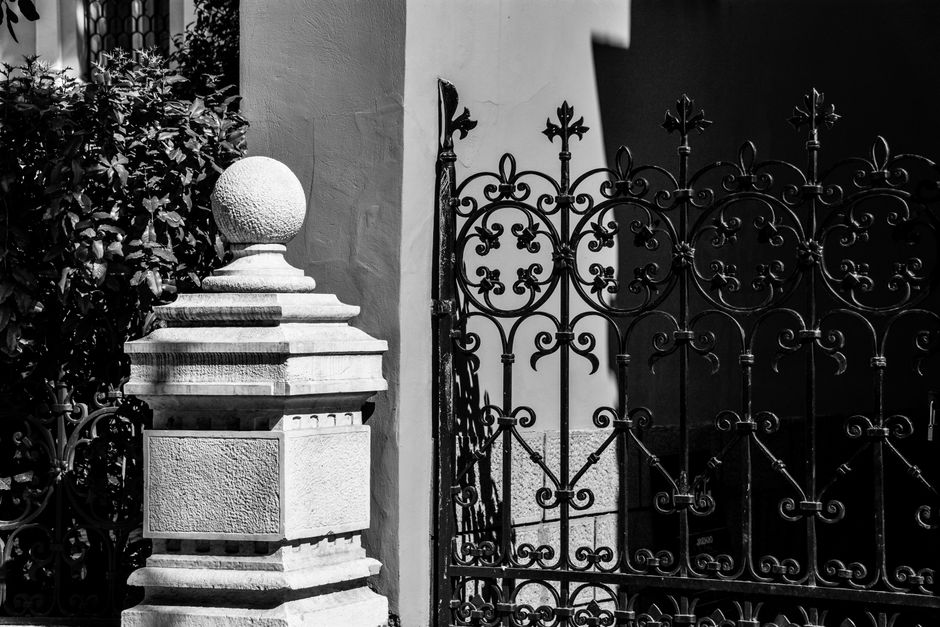
Good ornamental gate work shows in the welds, the edges, the coating, and the posts, and all four can be judged before and after the gate is built. Looking at those details matters more than looking at the overall style. For a gate in Cedar Park, TX, the short checklist at ornamental iron gates cedar park preflight sim covers this question.
Ask to see drawings
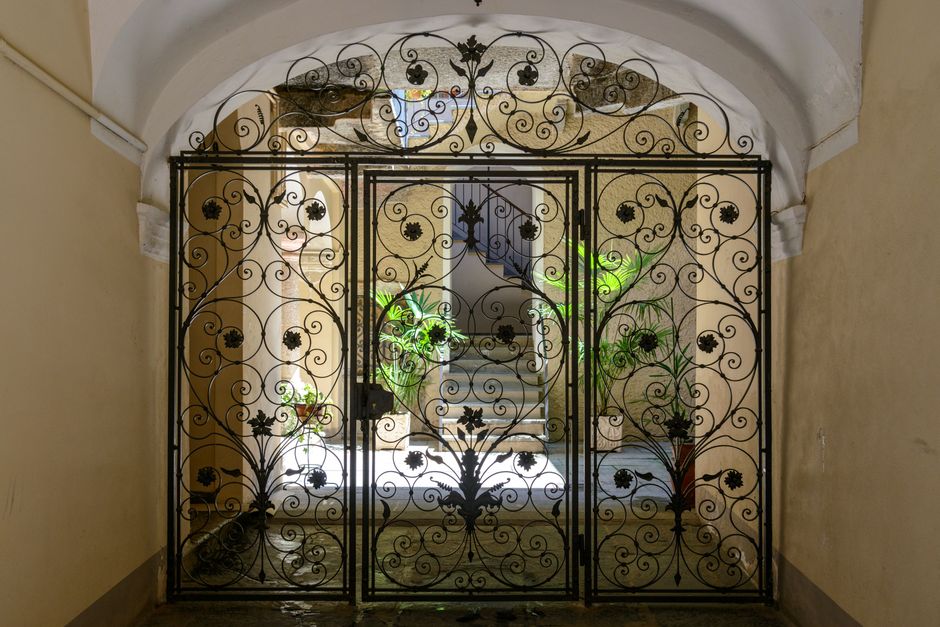
A clear drawing shows the opening width, the height, the top style, the picket spacing, and where scrolls sit. It also shows post size and footing depth. If the drawing is only a rough picture with no sizes, key choices have been left open, and they get settled on site, often without anyone checking them.
Look closely at welds

Welds should be even and fully closed around each joint. After grinding, the surface should be smooth with no pits or gaps. Look at the underside of scrolls and at the places where finials meet bars, since those are the spots a rushed job skips. A joint that is only tacked will crack in wind.
Check the edges
Sharp edges chip coating, and chips become rust. Quality work has softened edges, filed smooth, with coating that wraps around them. Run a finger lightly along a rail and the end of a picket. A burr or sharp corner is a warning sign.
Ask about coating layers
A good finish has primer, build coats, and a topcoat, each cured before the next. Ask how many layers the gate gets, how bare steel is cleaned first, and what happens at weld joints. Long Texas summers punish thin film, so thickness over curves and tops is worth asking about directly.
- Is the steel cleaned down to bright metal first?
- Are welds and edges primed?
- Is there a touch-up kit for chips?
Judge the posts and hinges
Posts should be sized for the weight of the leaf and set deep in concrete. Limestone and clay both move or resist digging, so shallow, quick footings are a concern. Hinges should be heavy and adjustable, with grease fittings or bushings that can be serviced. A light hinge on a heavy leaf wears out fast.
Check the match with the rest of the property
A well-built gate matches the fence and the entry columns beside it. Heights line up, colors match, and picket spacing carries across. A mismatch usually means the pieces were designed separately.
Walk the finished gate
- Open and close it several times and check for drag.
- Look for even gaps at the posts and along the center.
- Test the latch from both sides.
- Confirm the coating is even, with no runs or dry spots.
Ask about follow-up
Settling is normal in the first season. Good work includes a check after that period and a plan for touch-up, so small adjustments happen before they turn into repairs.