How to Prepare a Cedar Park Property for a Decorative Iron Gate
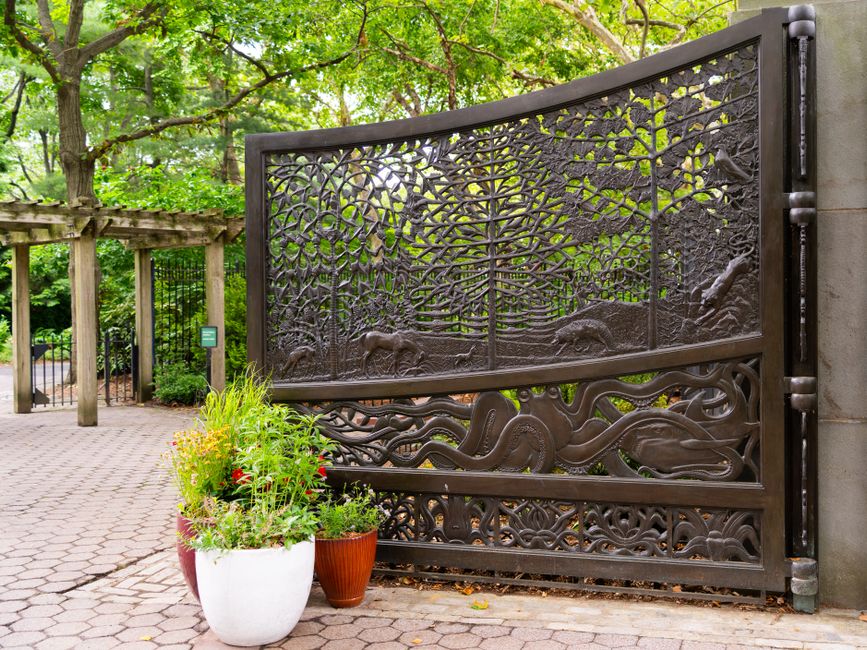
Preparing a property for a decorative iron gate comes down to the opening, the ground, and the posts. A heavy scrolled leaf magnifies every small error in those three, so checking them first saves the most trouble later. Cedar Park, TX owners can compare gate work against the list at ornamental iron gates cedar park preflight sim.
Measure the opening at three heights

Take the width at the top, the middle, and the bottom of the opening, and use the narrowest reading. Posts are rarely parallel, and a decorative gate has little room to hide a gap because its pickets and scrolls line up in a visible pattern. Record the height at each post too, since a sloped driveway makes one side taller than the other.
Read the slope before choosing swing or slide
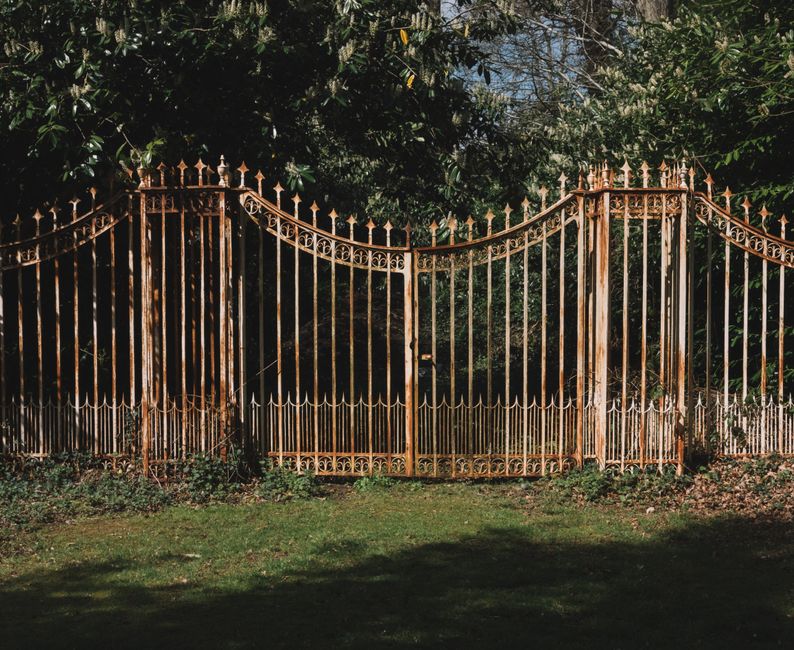
Hill slopes around Cedar Park often run along a driveway, and a swing leaf needs clear ground across its whole arc. Walk the arc and look for a rise in the pavement. If the ground climbs, the leaf either needs to hang higher, the pavement needs a cut, or a slide style may fit better. Arched or peaked tops also need extra clearance on the hinge side, because the highest point of the arch sweeps through the widest part of the swing.
Plan for limestone and clay under the posts
Limestone soil often sits just under a thin layer of clay, and digging through it is slow. Clay swells when wet and shrinks when dry, which slowly pushes a shallow post out of plumb. Posts for a wide decorative gate should sit in deep concrete footings that reach well below the surface layer, with a slight slope on the top of the concrete so water runs away from the steel.
- Mark where each post will sit before anyone digs.
- Expect hard digging where rock shows near the surface.
- Keep soil loose and free of standing water around the footing.
Decide what the gate must match
A decorative gate looks best when it matches the fence and entry columns beside it. Decide early whether the fence will be iron too, or whether masonry columns will frame the opening. Columns built after the gate is ordered can end up a few inches off, and the gate then needs shimming or a rebuild.
- Pick the picket spacing and top style first.
- Match the height of the fence to the gate where it meets the columns.
- Set column faces square to the opening.
Check existing posts honestly
Old wood posts and light steel posts usually cannot carry a heavy ornamental leaf. The gate acts like a lever on the hinge post, pulling its top toward the latch side. Look for rot at ground level and ask how deep the footing goes. When there is doubt, new posts in concrete are the safer plan.
Think about wind and open lots
Wind on open lots pushes hard on any solid panel. A design with open space between pickets lets air through, while a heavily filled scroll panel catches it. Latches and hinges on exposed sites should be sized up to match.
Leave room for power and sprinklers
If an opener may come later, run conduit before new concrete or paving goes in. Pulling it afterward means cutting a finished surface. Then check the sprinklers, because spray that hits the lower rail keeps the coating wet every morning and leaves mineral crust on the bars.