What Do Scrollwork, Pickets and Finials Do on an Iron Gate
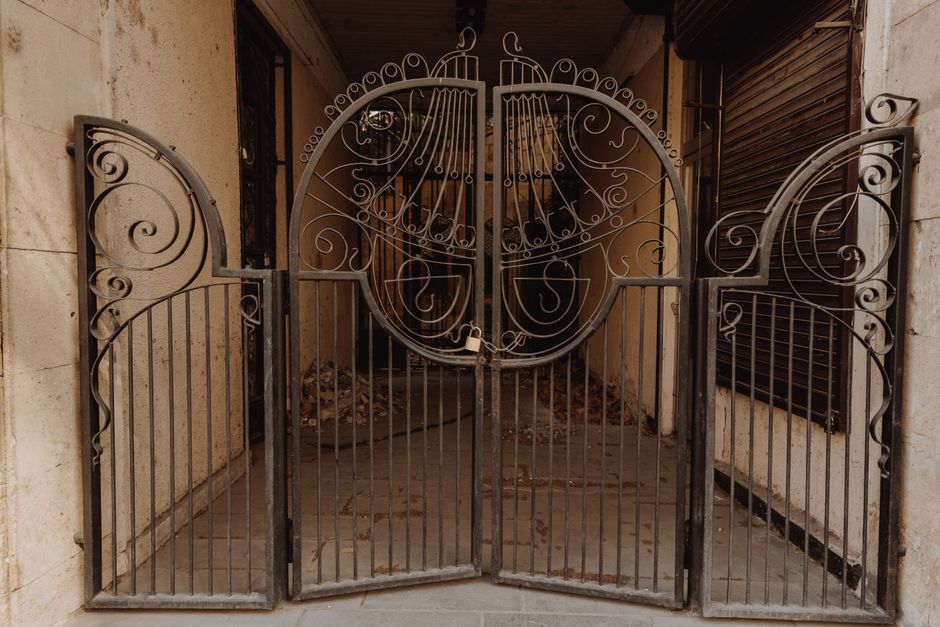
Scrollwork, pickets, and finials each do a job on an iron gate, and the look is only part of it. Pickets form the barrier, scrollwork fills and ties the design together, and finials finish the tops of the bars. Knowing what each part does makes it easier to choose a design that looks good and also holds up under Texas sun, wind, and storms.
Pickets are the structure
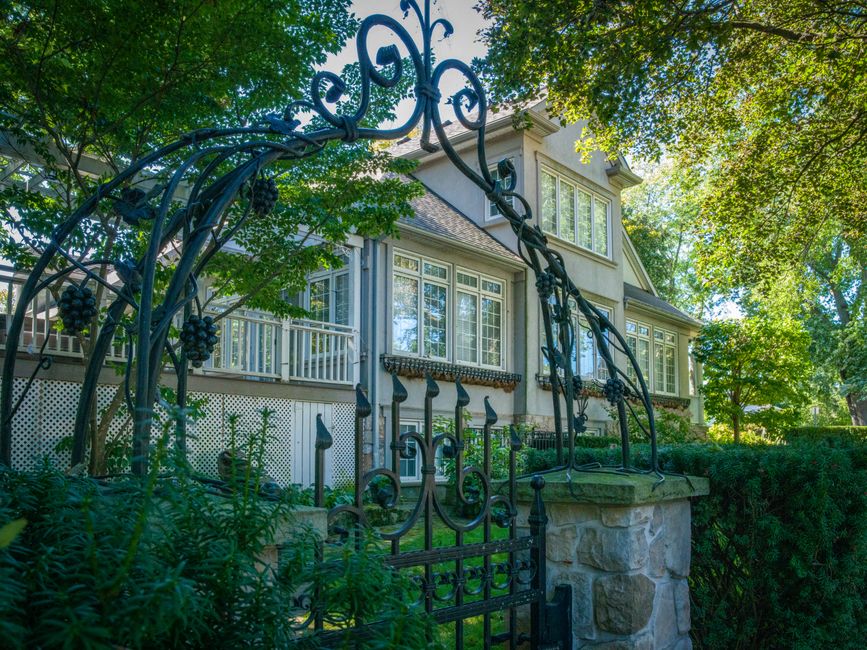
Pickets are the vertical bars that make up most of an ornamental gate. Their main job is to keep people and pets in or out, so spacing matters first. Bars set close together keep small animals from slipping through, while wider spacing lets more air and light pass and makes the gate lighter in weight.
Pickets also carry load. They tie the top rail to the bottom rail, so a leaf with solid, evenly spaced bars resists twisting. A gate built with thin pickets and few cross rails can bend when someone leans on it or when wind pushes on the face.
The shape of the bar changes the look. Square bars read as clean and modern, round bars look softer, and twisted bars add a bit of texture. Each shape also holds coating differently. Square bars have sharp corners where film runs thin, so the corners need to be rounded slightly before painting. Round bars hold an even film more easily, which helps in long summers when sun wears thin spots first.
Spacing and the top line
The top line of a gate sets the style at a glance. A flat top feels formal and plain. A gentle curve rising to the center adds grace, and a full arch gives the entrance a formal look. Pickets can run to a straight rail, follow a curve, or rise and fall in steps.
On a sloped drive, the top line can follow the ground or stay level. Following the slope keeps the gaps beneath the bottom rail even. Staying level looks calm from the street but leaves a larger gap on the high side. Hill slopes around Cedar Park often call for a gate that tracks the ground, with pickets cut to different heights on each end.
Scrollwork fills space and adds strength
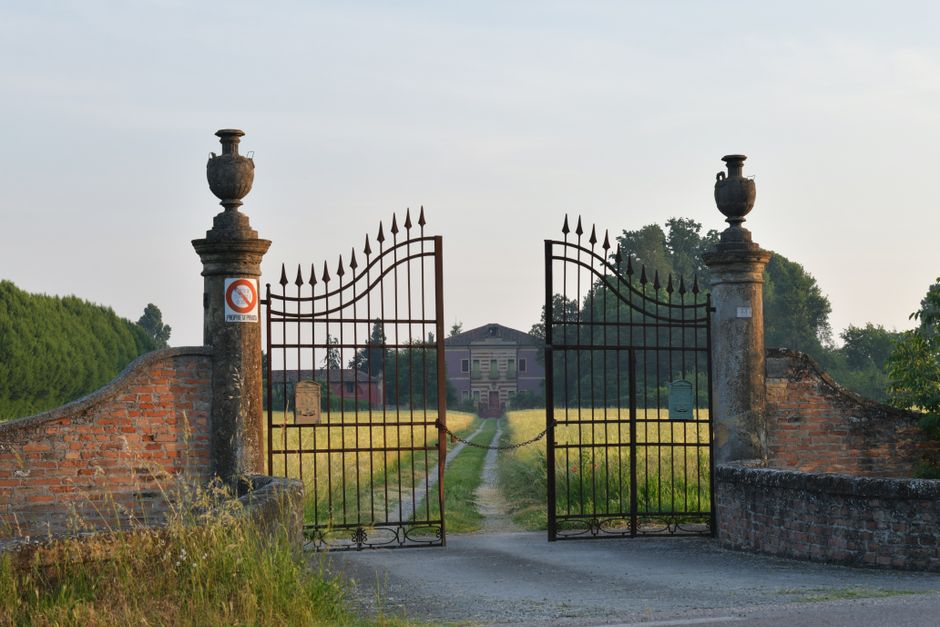
Scrollwork is made of curled bars, rings, and spirals welded between the pickets or across the top. It does two things. It adds decoration, and it breaks up long empty runs of bars so the gate does not look like a plain fence.
Scrolls are bent around forms, so each curl matches the next. A gate with matching scrolls on both halves looks balanced. A gate with hand-bent scrolls that differ slightly looks more personal, and some owners prefer that.
Scrollwork also affects wind. A panel crowded with scrolls acts partly like a sail, because air cannot pass freely. On open lots in Williamson County, where wind moves across flat ground, a heavily filled panel puts more load on the hinges and posts. A lighter pattern, with scrolls kept near the top or center, gives the look without the extra push.
Where scrolls hold water
Every curve is a place where water can sit. The inside of a ring, the bottom of a spiral, and the joint where a scroll meets a picket all gather moisture after rain or heavy dew. Humidity swings between damp mornings and dry afternoons keep that moisture cycling, and bare steel under a thin film rusts there first.
Good makers soften these joints and make sure the coating wraps around them. Some design choices help too. Scrolls tilted slightly, or kept open at the bottom, let water run out. Tight, closed curls that trap water are harder to protect.
Finials finish the tops
A finial is a decorative tip at the top of a picket or post. Common shapes include spears, fleur-de-lis, balls, and pineapples. Their purpose is partly visual, giving the top line a clean, finished edge, and partly practical, since a capped bar keeps rain from running straight into an open tube.
Finials are small, and small parts take the full force of the sun. The tops of finials sit at the highest point of the gate, with nothing to shade them. In hot, long summers the coating there chalks and fades first. A thicker topcoat on finials and an extra look during yearly upkeep keep them from becoming the weak spot.
Hail is the other test. Finials stick up above the rest of the gate, so they take the first hit. A spear shape sheds hail better than a flat disc, while a ball can chip where the coating is thin. Chips on finials should be touched up soon, because moisture can run down the metal beneath the coating.
Finials and safety
A sharp finial is a design choice, not a requirement. Pointed spears suit a formal look but can catch clothing. Rounded balls and soft caps are friendlier near a walk gate where children play. The decision is about how the gate will be used, not only how it looks.
How the three parts work together
A good ornamental gate uses all three in proportion. Pickets set the rhythm, scrolls add interest in one or two zones, and finials give the top a clean edge. Too many scrolls and finials make the gate feel busy. Too few make it feel bare. A common approach is to keep the lower two thirds simple and put the decoration near the top, where it is seen from the street and kept away from splashing and ground moisture.
- Choose picket spacing for safety and wind first.
- Pick a top line that follows the slope and the style of the home.
- Add scrolls where they can drain and be coated well.
- Finish with finials sized to the bar and coated thickly.
Hand finishing makes the difference
The parts alone do not decide the quality. Hand finishing does. After welding, each joint is ground smooth, edges are softened, and tight spots are filed. A scroll with a rough weld under it will rust at that weld within a few seasons, no matter how fine the pattern looks.
Coating comes next. A primer bites into clean steel, build coats add thickness over curves, and a topcoat gives color and sun resistance. Each layer cures before the next. On a decorative gate, extra attention goes to finials, scroll ends, and the underside of rails, since a brush or spray can miss them.
- Welds ground smooth before primer.
- Edges rounded so film does not thin out.
- Every curve coated on all sides.
- Topcoat thick on the tops of bars.
Design choices for hot, windy, stormy weather
The local weather affects which details make sense. Long hot summers fade dark coatings, so lighter or mid-tone colors show wear less, though many owners still choose black. Wind favors open patterns. Occasional hard freezes make water in joints expand, so designs that let water drain last longer. Hail rewards simple shapes with few thin projections.
Homes near Brushy Creek Lake Park, along Lakeline Boulevard, or close to the 183A Toll Road all deal with the same sun and the same seasonal swings, so these choices apply across most of the area.
Posts carry all of it
Every decorative detail adds weight. A scrolled, arched leaf can weigh much more than a plain one, and all of it hangs from a hinge post. Limestone soil and clay shift with the seasons, so those posts need deep concrete footings. A beautiful gate on a shallow post will lean, and the pattern will stop lining up with its mate.
Questions to ask before ordering
- How far apart are the pickets, and why?
- Where do the scrolls sit, and can water drain from each curl?
- What shape are the finials, and how thick is the topcoat on them?
- How deep are the post footings?
- Is there a plan for touch-up after the first season?
Clear answers to those five questions show a maker who has thought about how the gate will age, not only how it will look on delivery day.
Upkeep keeps the details sharp
A yearly routine protects the decoration. Wash the gate with water and mild soap to remove dust and pollen. Walk the whole leaf, looking at the tops of finials, the insides of scrolls, and the joints. Touch up any chip right away with matching paint after cleaning the spot. Check hinges and the latch for wear, and keep sprinklers pointed away from the bars.
After a hail storm or a hard freeze, repeat the walk. Small chips are easy to fix when they are fresh. Left alone, they spread under the film and force a larger repair.
A decorative iron gate is a mix of structure and ornament. Pickets hold it up, scrolls give it character, and finials finish it. When each part is chosen for how it will age under Texas sun, wind, and storms, the gate keeps its shape and its look for many years.